Walking Pad vs Mini Stepper for Small Spaces
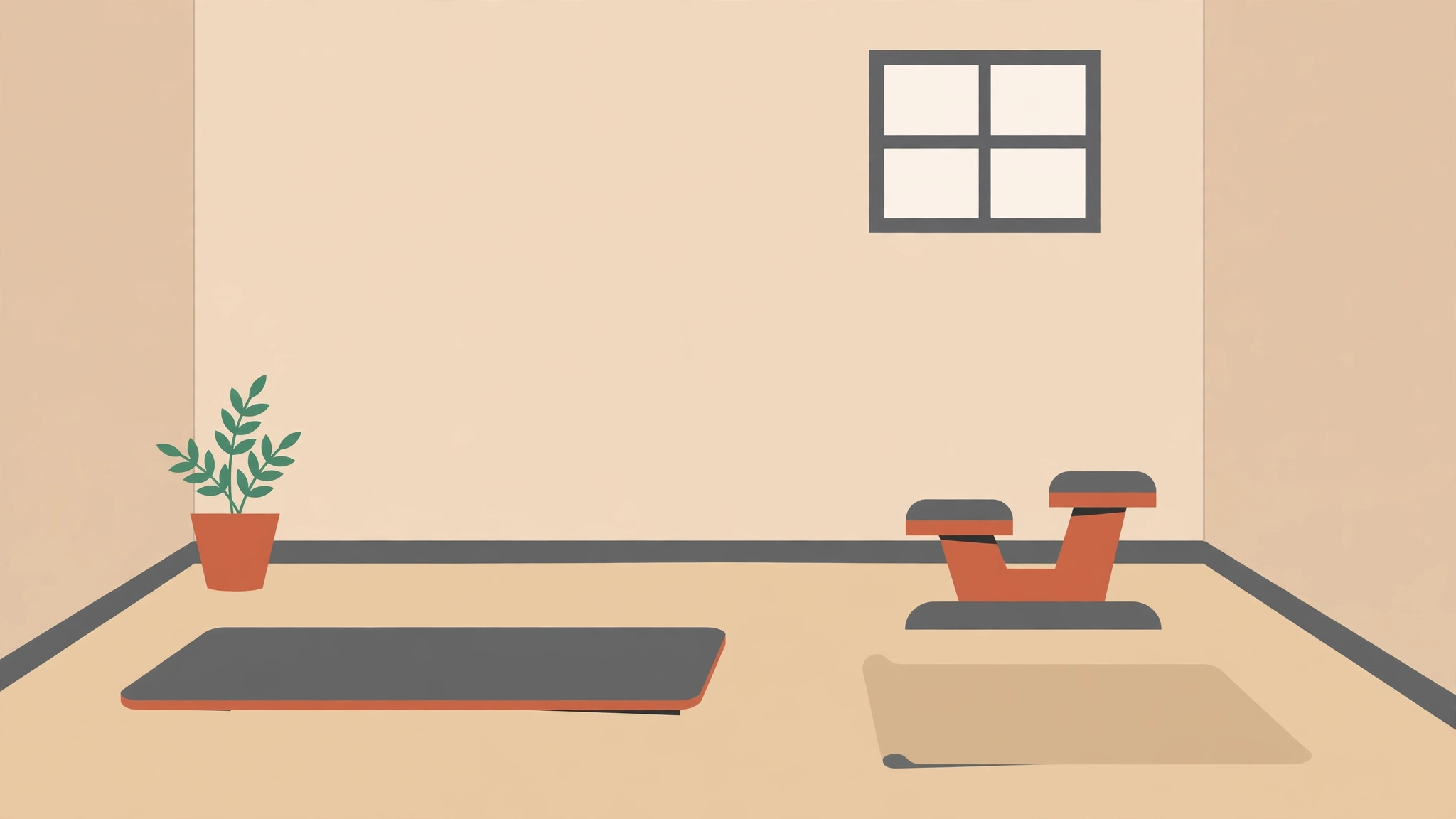
A mini stepper can suit a short storage spot, while a folding walking pad may suit a low opening beneath furniture. The useful choice depends on the shape of your available space and how you plan to use the machine. A small base alone does not prove either option will work in your room.
Start with two questions: where will you exercise, and where will the equipment go afterward? A walking pad makes sense if an approved walking setup fits your desk or exercise area. A mini stepper is worth considering if you have room for a dedicated stepping position and a convenient place to put the unit away.
This comparison focuses on room fit and everyday setup. It does not rank calorie burn, medical benefits or individual models.
Compare the space you use, not just the box
Separate the machine’s dimensions from the room it needs during use. Your body, getting on and off, nearby furniture and the manufacturer’s required clearances all matter. A product rectangle on the floor is a starting measurement, rather than a complete layout.
| Decision | Walking pad | Mini stepper | What to check in your room |
|---|---|---|---|
| Position during use | Walking on a belt | Stepping on pedals in one location | User movement and the selected model’s clearances |
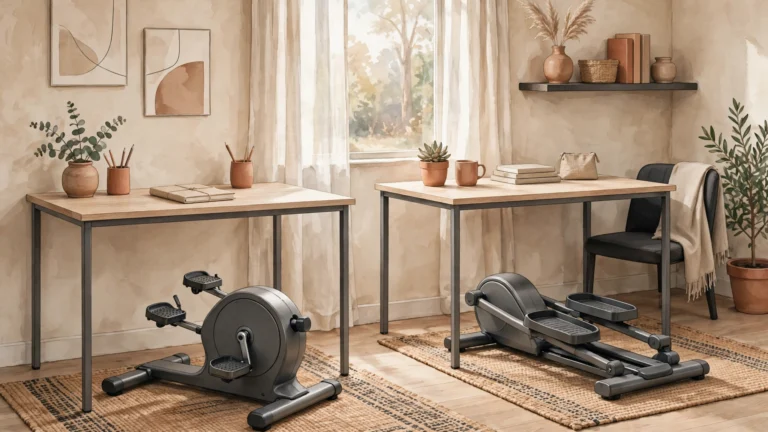
| Shape to accommodate | A deck extending along the floor | A shorter base with raised pedals | Furniture edges, access and headroom during use |
| Put-away task | Move the deck and fold it if the model permits | Move the unit to its storage location | The route, handling instructions and storage opening |
| Likely use setting | Desk walking or a separate walking session, subject to the model | A dedicated stepping session | How the activity fits the room’s other uses |
A desk does not automatically make a walking-pad setup workable. Check its usable height, the space below it and the position of the machine’s controls. If you would have to lean across the desk or crowd the belt against furniture, choose a different arrangement.
For a stepper, include the space occupied by your body and any movements or accessories you intend to use. The small base does not define the whole exercise zone. Follow the exact manual rather than adding an arbitrary clearance figure from a generic buying guide.
Measure the storage route as well as the storage spot
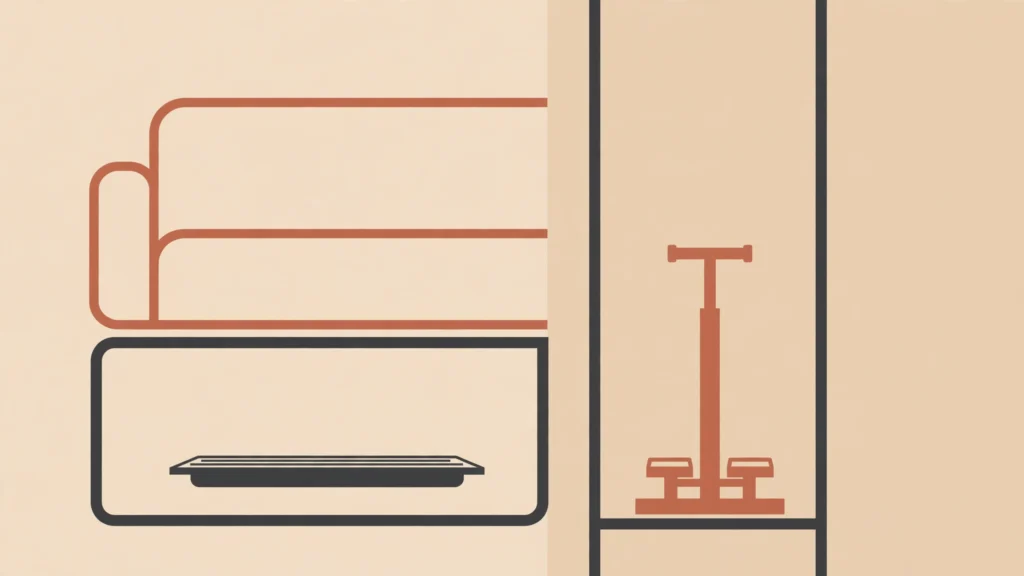
The storage opening can reverse your first choice. A machine can fit beneath a bed on paper yet be awkward to reach because a bed leg, chair or door blocks the approach.
Two manufacturer examples show why shape matters. WalkingPad lists the A1 Pro at 56.5 × 21.5 × 5 inches unfolded and 32.5 × 21.5 × 5 inches folded. Sunny lists the standard SF-S0978 stepper at 16.3 × 12.8 × 13.6 inches. These are machine dimensions for those models, not averages or working-space requirements. See the A1 Pro specifications and SF-S0978 specifications.
As an illustrative fit check, a six-inch-high furniture opening might appear more promising for the listed five-inch folded deck than for the 13.6-inch-high stepper. That comparison establishes only a possible dimensional fit. It does not confirm adequate handling room, an approved storage orientation or compatibility with your furniture.
Measure the narrowest part of the opening, including any center support. Then trace the path from that opening to the exercise position. Check where the equipment needs to turn and where you would stand while moving it. Do not assume transport wheels make a threshold or turn manageable.
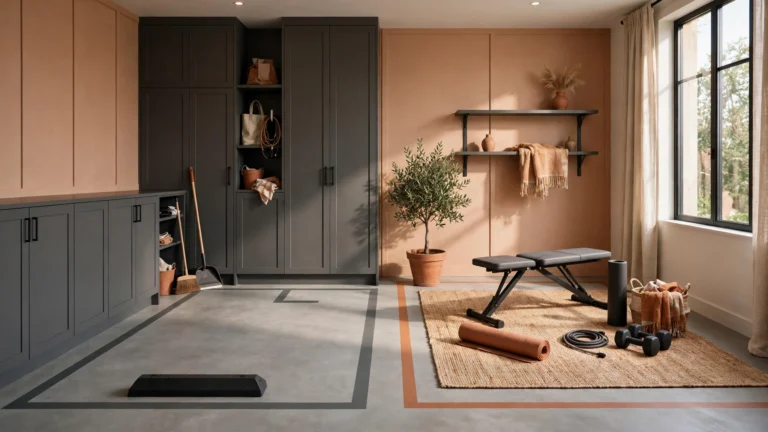
A reachable closet floor may be a better daily storage location than a theoretically perfect space beneath furniture. Avoid choosing a high shelf merely because the unit fits there; the handling task matters too.
Match the machine to the part of your day
Choose the walking pad if walking is the activity you want and the complete setup fits a realistic part of your day. For a home office, count the chair changeover: where the chair goes, how the deck moves into position and how you return to seated work. Keep access to the controls and follow the selected model’s operating instructions.
A mini stepper is a different room routine. Plan a dedicated stepping position rather than assuming it replaces the walking pad beneath a desk. If the room only becomes available after work, that separate session may be entirely acceptable.
Consider an apartment where the desk stays occupied all day but a clear exercise corner is available each evening. The stepper’s routine may fit better even if there is enough storage space for a walking pad. In another room, repeatedly clearing that corner could be more disruptive than changing the desk setup.
Be specific about what you are willing to move. Sliding one chair out of the way is a different daily commitment from rearranging a coffee table, floor lamp and storage basket. Neither equipment label resolves that inconvenience for you.
Check the apartment constraints neither footprint solves
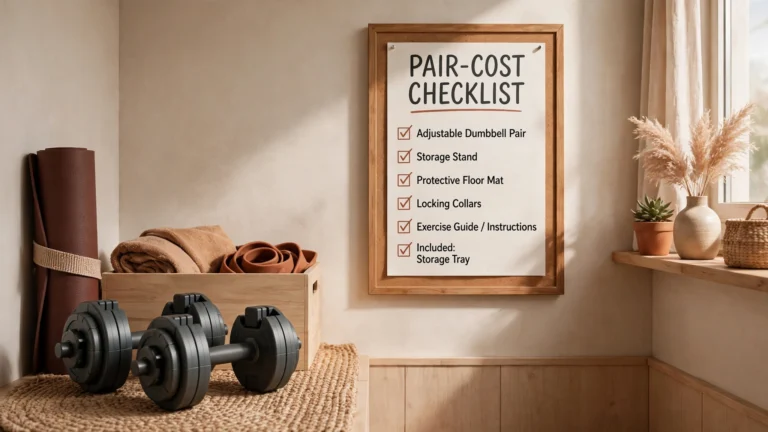
Before buying, check these requirements against the exact model and your room:
- Power access: a motorized walking pad needs a suitable supply and a cord arrangement allowed by its instructions. Confirm the requirements before deciding on its position.
- Floor and surface: use the manufacturer’s permitted surface and mat guidance. A mat should not be treated as permission to use an otherwise unsuitable setup.
- Shared access: keep the exercise arrangement from occupying the route other people need through the room.
- Noise expectations: the presence or absence of a motor does not establish which machine your downstairs neighbor will hear. This comparison includes no apartment sound measurements.
- Put-away instructions: check permitted handling, storage and any waiting period after use.
That final point can affect the routine. The official SF-S0978 manual, printed page 11, instructs users to allow its hydraulic cylinder to cool between uses. Do not plan around handling a potentially hot component immediately afterward. Follow that model’s instructions; this is not a universal cooldown time for every stepper.
If the room constraints are still unresolved, work through a small apartment home gym setup checklist before choosing between the two formats.
Choose using a complete setup rehearsal
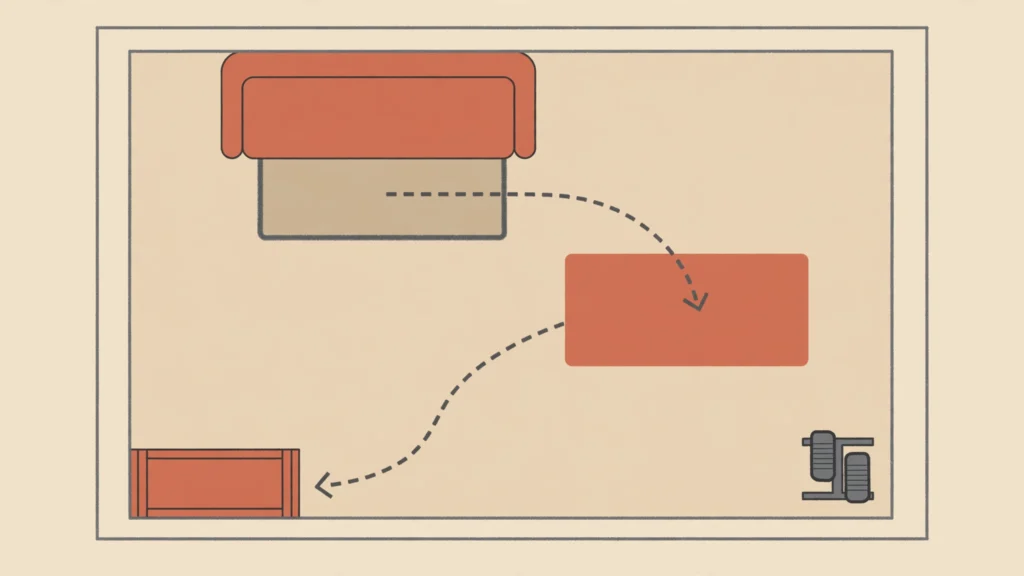
Make a simple floor mock-up using the candidate’s published dimensions. Represent its permitted stored shape separately. This is a planning exercise, not a stability or safety test.
- Mark the proposed equipment position and apply the exact manual’s use requirements. Check furniture, access and the intended user movement.
- Trace the path between that position and storage. Include doors, turns, chair parking and the place you would stand to handle the equipment.
- Walk through the room’s normal routine without using a machine. Notice which objects would need moving before and after each session.
- Compare the full reset for both candidates. Reject a layout that depends on an unapproved storage position or unresolved use requirement.
For a low furniture opening, investigate an appropriately sized walking pad and verify its storage instructions. For a short closet space with sufficient height, investigate the stepper’s dimensions and handling requirements. For a room that cannot accommodate either operating arrangement, keep looking rather than buying the smallest advertised footprint.
Write down the exercise position, storage location and complete reset before ordering. Choose the format whose whole routine fits those three entries.